Mii romance and relationship guide
How to Make Miis Fall in Love in Tomodachi Life: Steps and Limits
Learn how to make Miis fall in love in Tomodachi Life with introductions, activities, compatibility, relationship signals, and marriage limits.
Updated August 10, 2026
The most useful answer is simple: give two Miis a believable reason to meet, keep their interactions positive, and observe several relationship signals before changing anything. Personality compatibility can help you choose a calmer or more energetic pairing, but it cannot force a confession, marriage, or any other random event.
This fan guide explains how to make Miis fall in love in Tomodachi Life by combining a sensible pair, repeatable daily interactions, careful personality planning, and patience. It separates product facts from practical player guidance because Nintendo does not publish a complete hidden relationship formula for every outcome.
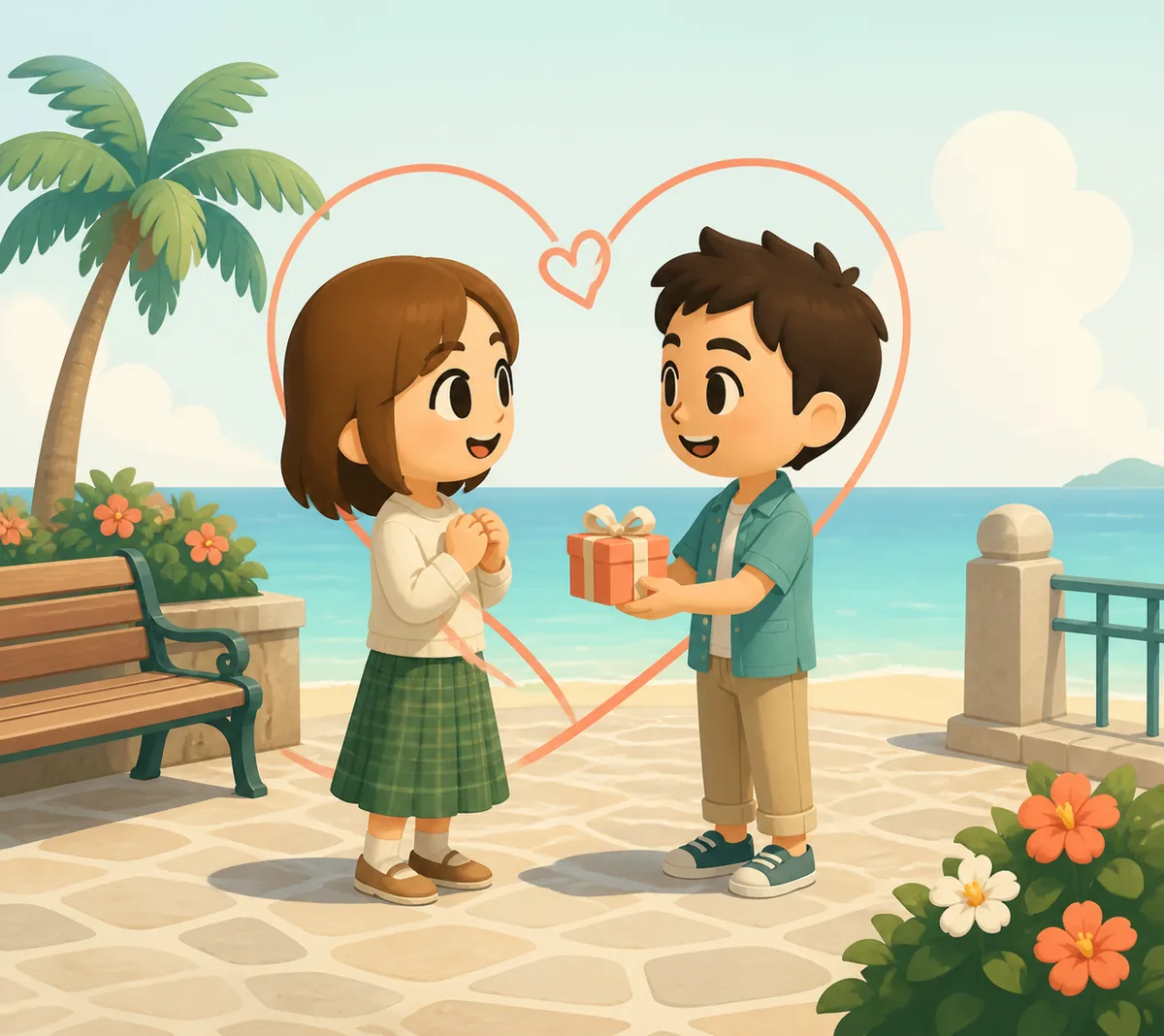
Quick answer: build the conditions, then watch the relationship
Start with two residents whose roles and temperaments can work together. Introduce them through ordinary island activity, use gifts and shared interests as low-pressure conversation starters, and compare the relationship over several scenes. If a pair is already tense, adjust one planning direction or the surrounding group rather than moving every personality value at once. The goal is a repeatable observation method, not a guaranteed romance recipe.
What actually helps a Mii relationship
A relationship is easier to plan when both residents have a clear role and at least one shared point of interest. A patient listener and a social host may create a more readable starting pair than two residents who are both intense, direct, and competing for the same group attention. Shared interests give you a reason to test a meeting without pretending that one gift controls the result.
Keep the first goal modest. Look for more comfortable conversations, repeated invitations, shared activities, or a resident choosing to talk about the other Mii. These are observations, not proof that a confession is coming. Record what happened, when it happened, and what you changed so a later scene does not turn into an unsupported rule.
Use a pair with a reason to meet
Give each resident one sentence of purpose. A cook who remembers the other Mii's favorite snacks, an outgoing host who introduces people, or a quiet artist who needs one close friend is easier to plan than two random faces. The sentence also tells you which room, hobby, gift, or activity to test first.
Treat gifts and activities as experiments
Choose gifts that fit the resident and shared activities that create conversation. Change one factor at a time and observe more than one scene. A positive moment can be useful evidence for your next test, but it is not a public guarantee that the same action will trigger romance for every pair.
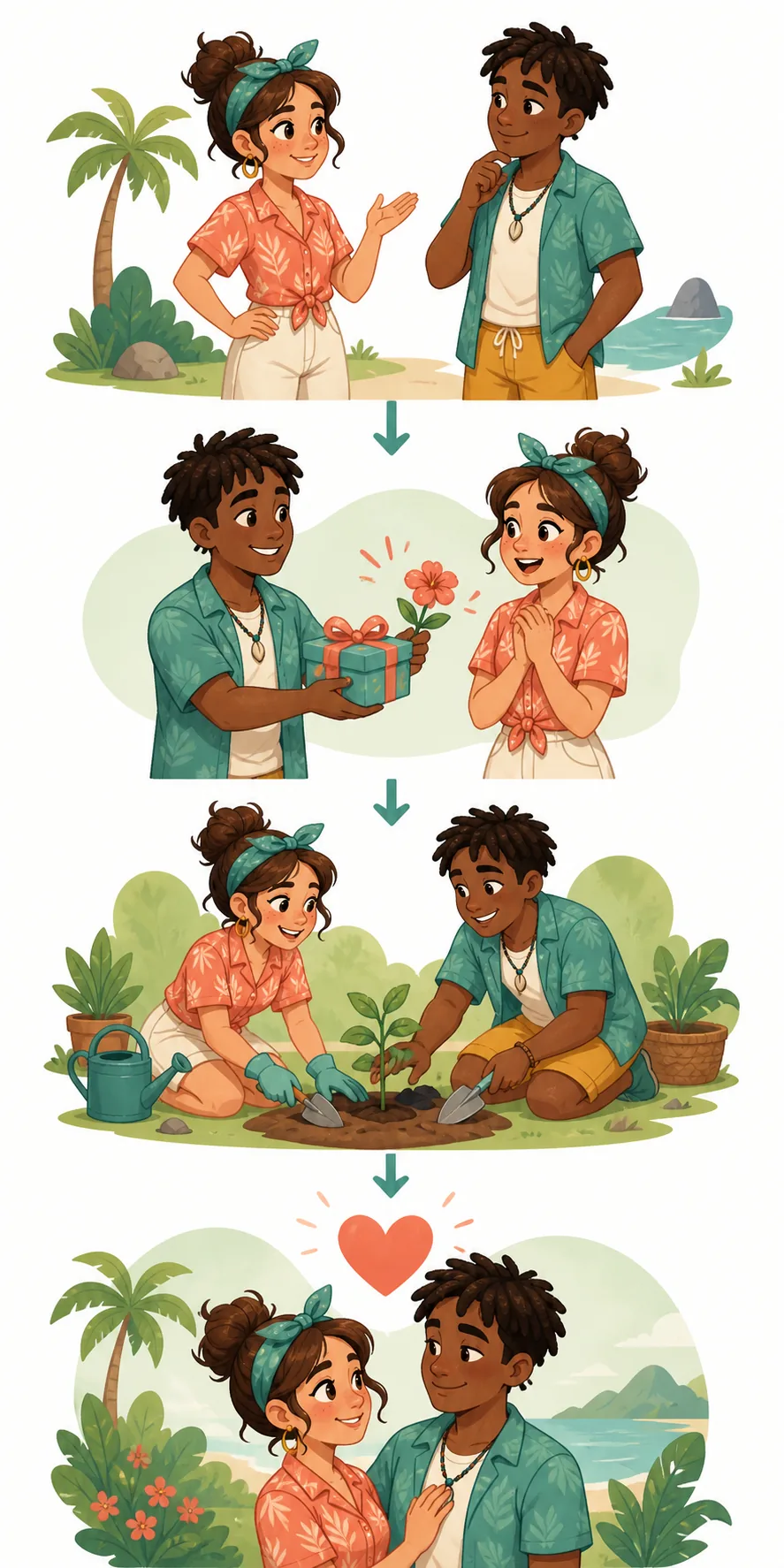
Choose a compatible and believable pair
The personality chart is useful before you begin because it helps you decide what kind of contrast you want. Two Miis with similar movement may feel easy to place in the same routine. Similar speech can make conversations feel less abrasive, while a different expression level can add variety. These are fan planning signals, not a claim that the game exposes a public romance formula.
A strong pair does not need identical personalities. A direct, energetic resident may work better with a patient Mii who gives the relationship a different pace. Conversely, two very expressive residents can be fun when you want dramatic scenes, but the same combination may feel noisy if the entire island already has that pattern.
Start with two shared axes
For a stable experiment, let the pair share two broad directions such as a similar pace and a compatible attitude. Then keep one visible contrast, such as speech or expression, so you can tell what makes the scenes interesting. Compare the result with the personality types guide before rebuilding the pair.
Do not turn the chart into a promise
A personality label cannot promise attraction, a confession, or a wedding. If a pair does not progress, review introductions, gifts, activities, timing, other relationships, and random events before blaming one slider. The chart gives you a language for testing a pair; it does not reveal hidden probabilities.
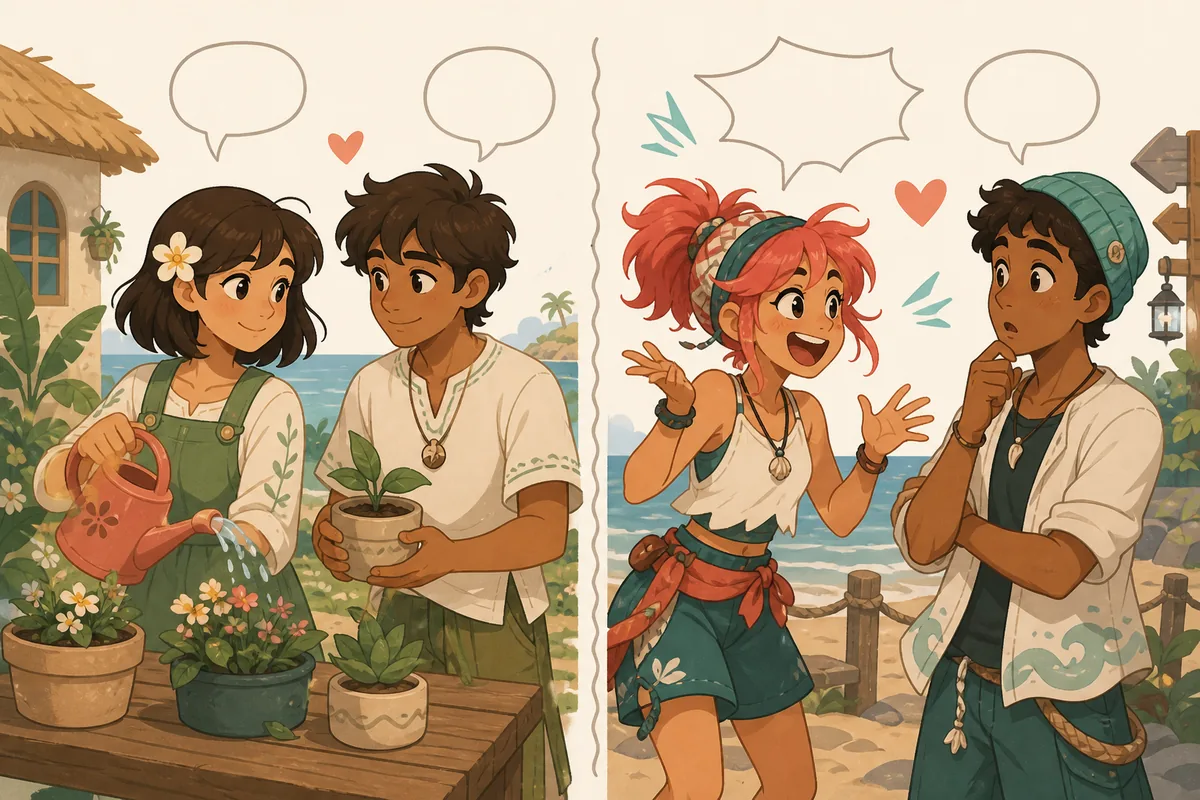
How to make Miis fall in love: a repeatable step-by-step method
Use the following order when you want to make two Miis fall in love without turning the process into random slider changes. The first pass should be reversible: save the original profile, write down the pair's roles, and decide what you are watching for before you alter the island.
After each meaningful interaction, wait long enough to observe another ordinary scene. If you change a gift, room, personality direction, and activity at the same time, you will not know which detail mattered. A small notebook or a short before-and-after note is more useful than an old compatibility image with no source or context.
Example: a quiet artist and a social host
Give the artist a calm space and one creative interest, then let the host create an ordinary introduction. Test a gift connected to the artist's interest, watch whether later conversations become easier, and only then try a shared activity. If the pair feels overwhelmed, soften one strong direction or change the group around them instead of replacing both profiles.
Example: two energetic residents
Two active Miis can produce memorable scenes, but they may also compete for attention. Keep one contrast in speech or attitude, give them a shared activity, and make sure the island has a calmer resident who can stabilize the wider group. Treat a good scene as encouragement to observe more, not as a guaranteed next event.
| Stage | Practical move | What it tells you |
|---|---|---|
| 1. Introduce | Give both residents a clear role and a natural reason to meet. | Whether the starting pair is understandable, not whether romance is guaranteed. |
| 2. Connect | Use a fitting gift or shared activity, then wait for ordinary scenes. | Which setting makes conversation easier to observe. |
| 3. Compare | Record a positive, quiet, or tense interaction and change one factor. | Whether the problem is a single trait, the group, or simple randomness. |
| 4. Support | Add a calmer resident, room contrast, or shared theme when useful. | Whether the wider island is helping the relationship stay readable. |
| 5. Observe | Watch several scenes before calling the pair compatible. | A pattern of experience, never a confirmed hidden probability. |
| 6. Continue | Plan for marriage or a longer story without forcing an event. | Whether the couple adds a useful role after the first romance signal. |
When nothing happens or the pair starts fighting
No visible progress does not prove that the pairing is impossible. It may mean that the two residents have not had enough ordinary contact, that their current roles do not create natural conversations, or that another event has temporarily changed the island's rhythm. Review the timeline and change one variable only after you have enough observations to describe the problem.
If the pair argues, do not immediately rebuild both personalities. Check whether the entire island is already full of fast, direct, highly expressive residents. A patient mediator, a different shared activity, or a quieter room can add contrast without erasing the story you were trying to create.
A safer troubleshooting order
First check whether the residents have a real reason to meet. Next review gifts and activities. Then check the wider group and room context. Only after that should you preview one personality adjustment in the calculator and test one axis in the supported game flow. Keep the old values so the change can be reversed.
What the result cannot tell you
A single confession, rejection, argument, or quiet day cannot establish a general rule. Events may depend on timing, other relationships, activities, gifts, and randomness. Use several scenes and report your own observation as experience rather than calling it an official mechanic.
From romance to marriage and longer-term island balance
Once two Miis appear comfortable, the next useful question is not how to force a wedding but how the relationship fits the rest of the island. Keep a short note about the pair's roles, friends, and routines. A couple can be a strong story anchor, but it should not make every other resident feel interchangeable.
Questions about how to get Miis to marry often follow the first romance signal. The same boundary still applies: a guide can help you prepare a compatible pair and notice useful opportunities, but it cannot promise a proposal or a particular event date. Continue observing the relationship after a major event and adjust the surrounding cast only when it adds a clear role or contrast.
Keep the couple readable
Give the pair one shared theme and one difference. A shared hobby can make the relationship easy to recognize, while a different pace, room, or social role keeps the island from becoming a row of copies. Review the Mii ideas guide when you need an original resident to balance the group.
Use the calculator for planning, not prediction
The homepage calculator can preview nearby personality directions before you edit a profile. Use it to understand what you are changing, then verify the actual supported game flow and observe multiple scenes. It is a transparent fan model, not an official Nintendo relationship predictor.
Sources and fan-method note
The official Nintendo page is used for public product context only. The relationship sequence, compatibility language, and observation plan on this page are transparent fan guidance. The three WebP visuals are editorial illustrations, not official screenshots or hidden game data.
How to make Miis fall in love FAQ
How do I make Miis fall in love in Tomodachi Life?
Start with a believable pair, create ordinary reasons for them to meet, use fitting gifts or shared activities, and observe several scenes. Personality compatibility can guide the plan, but it cannot guarantee a confession or romance event.
Can a personality chart guarantee romantic compatibility?
No. The chart is a transparent fan planning model using visible directions such as movement, speech, expression, and attitude. It helps you compare a pair, but gifts, activities, timing, other relationships, and random events also matter.
How do I get Miis to marry in Tomodachi Life Living the Dream?
Marriage should be treated as a possible later event, not a button that a guide can force. Prepare a pair, watch the relationship over time, and avoid changing every profile value when a proposal does not appear.
What should I change when two Miis keep fighting?
Change one factor at a time. First review their roles, shared activities, gifts, and wider group. Then preview one personality axis or add a calmer resident. Keep the original values so the experiment is reversible.
How long does it take for two Miis to fall in love?
There is no single reliable timetable in the public information used here. Observe several ordinary scenes and record your own island experience instead of treating one successful or unsuccessful day as an official rule.
Is this an official Nintendo romance recipe?
No. This is an independent fan guide. The official Nintendo link supplies product context; the pairing steps, labels, and compatibility suggestions are planning guidance and should be updated if final in-game help text provides different terms.