Apartment and room planning guide
Tomodachi Life Apartments: Roommates, Empty Rooms and Upgrade Tips
A practical Tomodachi Life apartments guide: what Nintendo confirms about homes, how to plan roommates, and how to troubleshoot empty rooms, floors, and upgrades without inventing hidden rules.
Updated October 14, 2026
Tomodachi Life apartments are easiest to plan when you separate visible home features from rules that the public documentation does not settle. Nintendo's official Living the Dream page says you can pop in on Miis at home, decorate their homes, and give them the opportunity to move in together to create a community. That is the reliable starting point for an apartment guide.
This page turns that context into a repeatable room-planning method. It covers roommates, empty rooms, changing a floor, switching rooms, and house upgrades as questions to test in your own version. It does not invent a fixed apartment capacity, unlock level, or guaranteed relationship trigger when Nintendo has not published one.
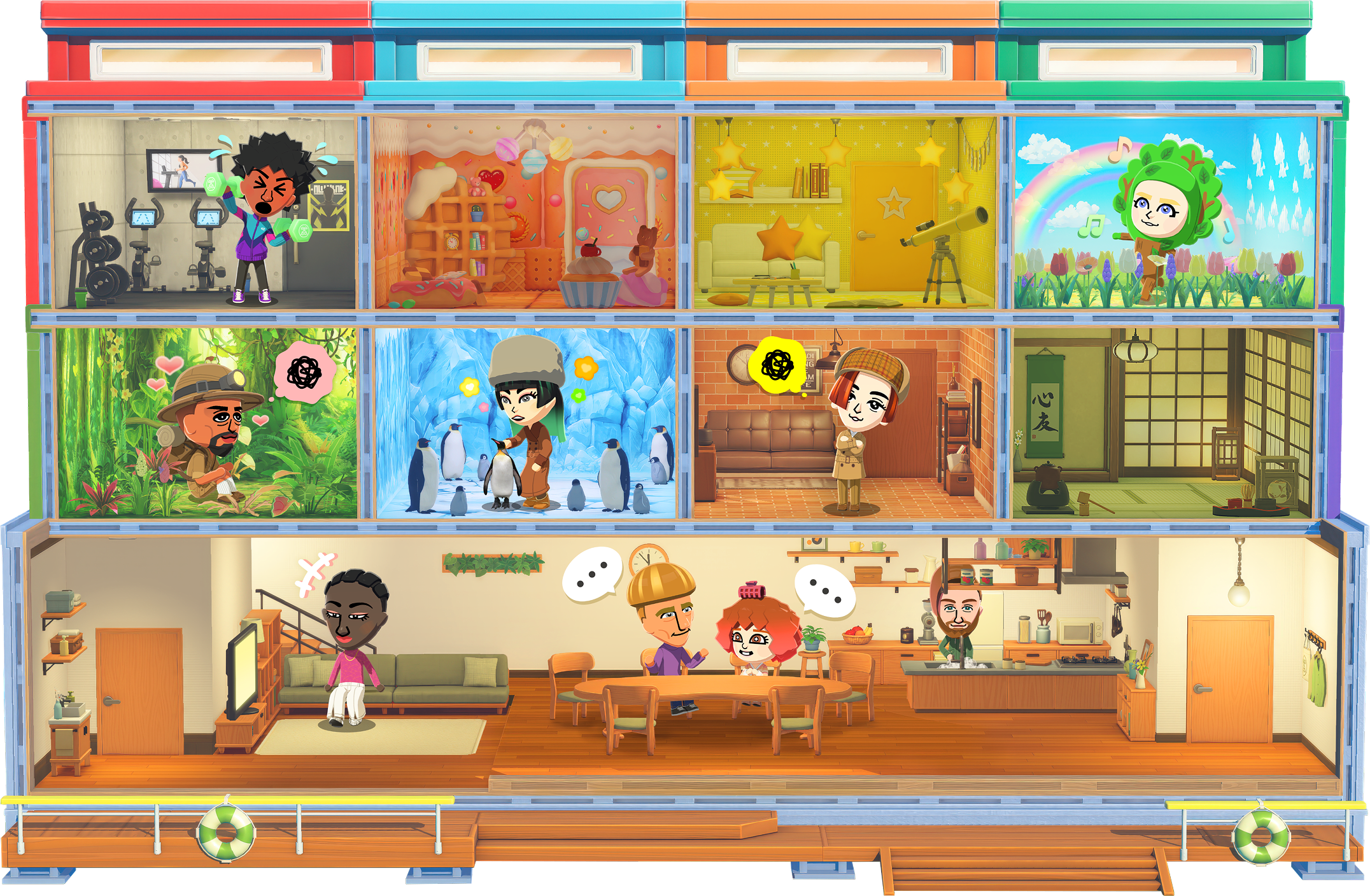
Quick answer: plan the household before the decoration
Choose the residents first, give the home a clear social role, leave one flexible space, and change one room variable at a time. Use the official home feature as the confirmed baseline; treat room counts, floor changes, upgrade timing, and reactions as version-specific until a current manual or repeatable observation confirms them.
What Nintendo confirms about Tomodachi Life homes
Nintendo's public product page describes a home interaction where you can visit your creations while they relax at home. It also says that you can decorate their homes and give Miis the opportunity to move in together and form their own community. Those statements support the page's core topic: homes are a visible part of resident planning, and shared living is a scenario the game presents.
The same source does not publish a complete apartment database, a guaranteed number of Miis per room, or a universal order for upgrading houses. The house image is real game media, but a screenshot only proves what it shows. Use it to understand the visual context, then follow the prompts and options shown by your current software and region.
A repeatable Tomodachi Life apartment planning checklist
An apartment works better when it solves a small island problem. Maybe two residents need a reason to meet, a quiet Mii needs space away from a loud group, or a new household should connect two neighborhoods. Decide that job before choosing colors. A room that looks attractive but has no social purpose becomes harder to evaluate when the island grows.
Use the checklist below as fan planning guidance. It is deliberately independent from hidden formulas: you can compare what you planned with what you observe without claiming that a layout controls romance, friendship, or an event.
1. Choose the household role
Write one sentence for the home, such as 'a calm base for two patient residents' or 'a lively meeting point for new friends'. Then choose residents whose current roles make the sentence plausible. The role can be social, quiet, creative, practical, or transitional. It does not need to predict a specific event.
2. Match personality without forcing romance
The site's personality chart can help you compare pace, speech, expressiveness, and attitude before you group Miis. Similar axes may make a calm room feel coherent, while one contrasting axis can create variety. Treat that as a planning signal, not proof that two residents will move in together or become a couple.
3. Leave a test room or flexible corner
Do not fill every available option on the first pass. Keep a flexible room, a spare design direction, or a resident who can move later. That makes it easier to test an empty-room question, a floor change, or a different roommate combination without rebuilding the entire island.
4. Record the version and the change
When you test a room, write down the game version, region, residents, home state, and one change. A note such as 'changed the floor after the room was empty' is more useful than a memory that the house 'felt upgraded'. This protects the page from turning one island's result into a universal rule.
Roommates, empty rooms, and a move-in that has not appeared
Searches about an empty room or how many Miis can live in one apartment usually combine two questions: what the player can see right now, and what the player expects the game to allow later. Answer the visible question first. Check whether the resident is assigned to the home you are viewing, whether the room is actually available in your version, and whether a move-in prompt has been offered rather than assumed.
If the home still looks empty, avoid changing personality, relationship status, furniture, and floor all at once. Test the least disruptive condition first, observe more than one scene, and keep the previous state in your notes. A quiet room can reflect timing or availability rather than a broken save, and a shared home can be a possibility without being an automatic next step.
How many Miis can live in one apartment?
The keyword is useful, but the public Nintendo page does not give this guide a verified universal number. Check the room prompt and current release, then record the result with its region and version. Until a primary source documents a fixed capacity, describe your observation instead of publishing a hard limit.
Use an empty-room symptom checklist
Confirm the home, resident, prompt, and version in that order. If several homes behave differently, compare them without assuming that decoration caused the difference. If only one room is affected, preserve the state and seek a current support source before deleting or rebuilding anything.
Floors, room switching, and house upgrades: test one variable
Queries about changing the floor of a Mii's room, switching rooms, or upgrading houses are action-oriented. They deserve a clear test order, but they should not be answered with a recycled instruction from an older release. Start at the home or room screen that your software provides, read the available labels, and capture the before state in a note. If a control is absent, that absence is evidence about the current context, not a reason to guess the button.
When an upgrade appears, record what changed visually and what the game actually said. A larger-looking house, a new decoration, and a new resident option are different observations. Keep them separate so a future update can correct one field without rewriting the whole guide.
A safe test order
First check the resident and home assignment. Next check the room or floor option. Then test one decoration or move-in action. Only after that compare an upgrade state. This sequence reduces the chance that several simultaneous edits hide the useful clue.
When to stop and verify
Stop if a page asks for an installer, account credentials, or a claim that cannot be checked in the game. An unofficial apartment list may be a helpful lead, but it is not proof of a current release rule. Use Nintendo's public product page for confirmed context and label player observations as observations.
Three apartment layout patterns to try
The patterns below are editorial planning ideas, not official maps. Pick one based on how you want residents to meet, then leave enough flexibility to revise the group. If the island already has a central social area, a quieter apartment row can give slower or more private Miis a readable place in the wider story.
A good layout has a reason that a reader can explain in one sentence. If the only reason is that every house uses the same color or decoration, the pattern will be difficult to maintain when new residents arrive.
| Pattern | Best for | First placement | Watch for |
|---|---|---|---|
| Shared corridor | Two residents who need regular contact | Place the home between an activity zone and a calm route | Do not mistake proximity for a guaranteed relationship event |
| Social cluster | A group that benefits from visible meetups | Keep homes near a shared plaza or activity path | Leave one quieter space so the island is not all noise |
| Quiet row | Private, careful, or reflective residents | Use a less crowded edge with a simple route back | Check that the row does not isolate residents from every activity |
What this apartments guide does not claim
This page does not claim a complete list of rooms, a fixed apartment capacity, a universal house-upgrade schedule, or a hidden formula that decides which Miis move in together. It also does not turn a screenshot into a button-by-button manual. Those details need a current official source, a visible in-game prompt, or repeatable testing with the version and region recorded.
The page is also not a romance guide. Use the relationship and relationship-levels guides for introductions, status signals, gifts, and marriage questions. Use the island-ideas guide for the island map itself. Keeping those boundaries clear gives the apartments page a useful job: it explains how to reason about homes and rooms without promising more certainty than the evidence supports.
Tomodachi Life apartments FAQ
How many Miis can live in one Tomodachi Life apartment?
The public Nintendo page confirms that Miis can have homes and may have the opportunity to move in together, but it does not publish a universal capacity in the source used here. Check the current room prompt, record the version and region, and avoid treating one observation as a fixed rule.
How do I fix an empty room in Tomodachi Life?
Start by confirming the home, resident assignment, and version. Read the room or move-in prompt in your own software, then change one condition at a time. An empty room can reflect availability or timing; do not delete a save or copy an old upgrade list before verifying the current context.
How do I change the floor of a Mii's room?
Open the room or home controls available in your version and follow the labels shown there. The public source does not provide a complete regional control manual, so this guide treats floor changes as a version-specific action to test and record rather than a guaranteed universal sequence.
Can I upgrade houses in Tomodachi Life?
The official page shows home decoration and home interaction, but the source used here does not define a complete upgrade schedule. If your game presents an upgrade, note the exact prompt and visible result, and do not claim an unlock level that you cannot verify.
Are apartments connected to Mii romance?
A shared home may be part of a resident story, but room proximity or decoration does not guarantee friendship, romance, marriage, or a baby event. Use the site's relationship guides for those separate intents and keep the apartment page focused on home planning.
Is this a complete list of Tomodachi Life rooms?
No. It is a planning and troubleshooting guide for homes, rooms, roommates, and apartment questions. It does not promise a complete item catalog, all special rooms, or every region-specific option.
Official source and image credit
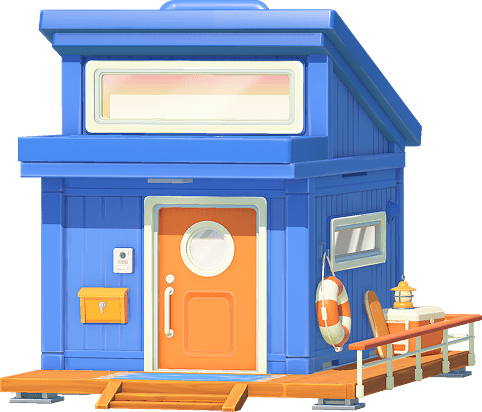
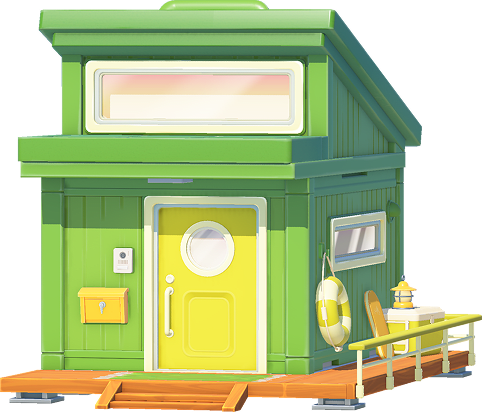
Nintendo's official product page is the source for the visible home interaction, home decoration, and move-in-together context. The three house images are official Nintendo assets from that page. Apartment patterns, test steps, and room-limit cautions are independent fan guidance and should be updated when a current manual or support article provides stronger evidence.