Friendship planning and troubleshooting guide
How to Increase Friendship in Tomodachi Life: A Practical Guide
Learn how to increase friendship in Tomodachi Life by introducing Miis, creating repeatable meeting chances, reading signals, and recovering from quiet or tense days.
Updated November 8, 2026
The most reliable way to increase friendship in Tomodachi Life is to create more believable chances for two Miis to meet, then observe what happens before changing several variables. Add or introduce the residents, give them a reason to share an activity, and record the visible response. A single gift or lucky scene can be a useful clue, but it is not a public guarantee that a friendship level will rise.
This guide is for ordinary friendship and island social planning. It keeps friendship separate from romance, marriage, and the relationship-stage labels covered elsewhere on the site. Nintendo’s public product material confirms the game’s Mii homes, activities, gifts, and social setting; it does not publish every probability behind a friendship event. The practical steps below are therefore repeatable fan guidance, with observations labeled as observations.
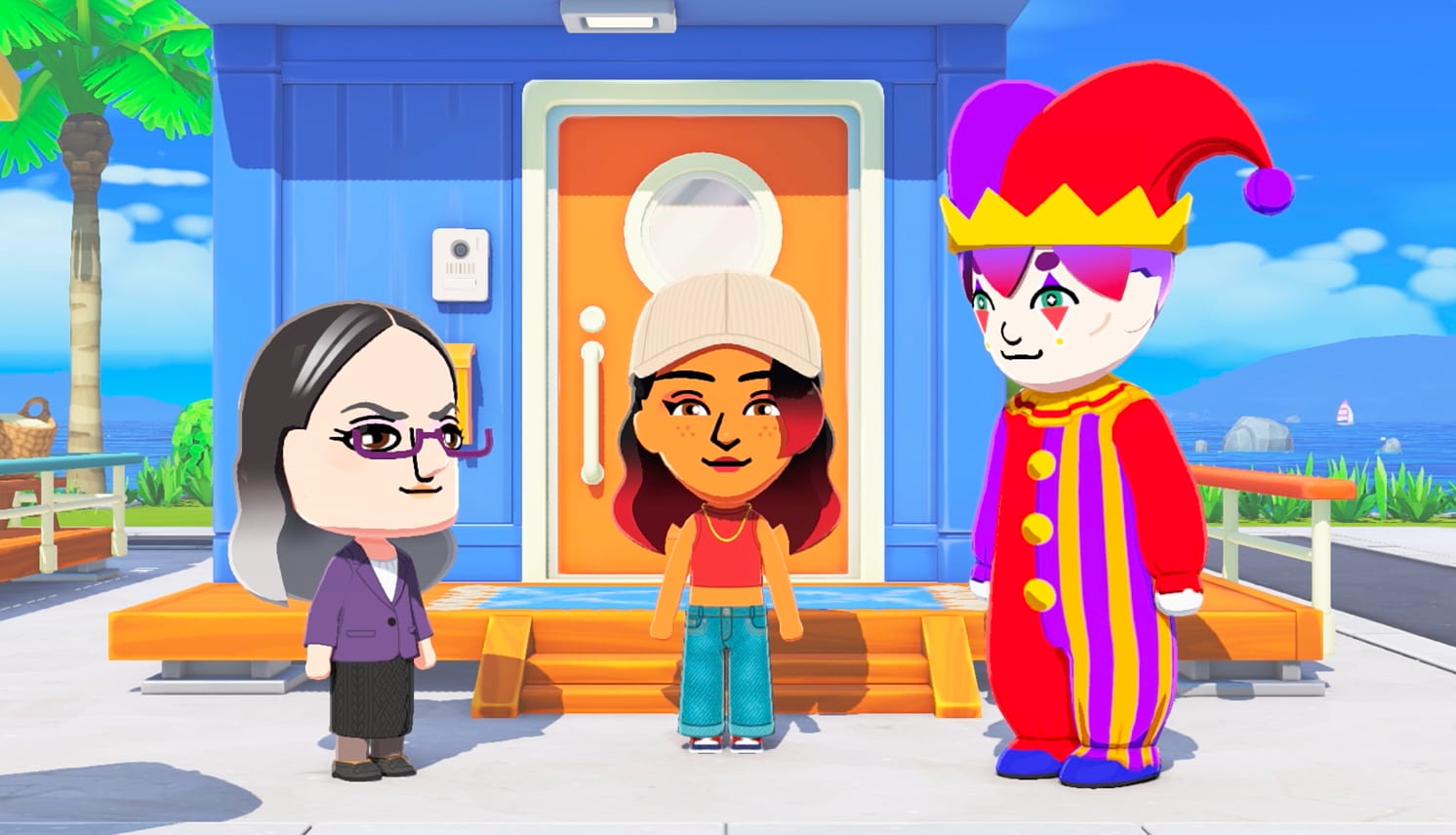
Quick answer: add opportunities, change one variable, and log the result
Start by checking that both Miis are present and have a reason to cross paths. Introduce them through a shared place or activity, leave enough time for another scene, and note whether the interaction was friendly, neutral, or tense. If nothing changes, adjust one low-risk factor such as the meeting place, group mix, or activity. Use the relationship-levels guide when the question becomes a stage label, and use the romance guide when the goal is falling in love.
What friendship means in this Tomodachi Life guide
Friendship here means a resident-to-resident connection that you can observe through meetings, conversations, shared activities, gifts, and changes in the tone of later scenes. It is a planning label, not a hidden number that this site can read. Two Miis may become familiar without becoming a couple, and a quiet day does not prove that the friendship has ended.
The distinction matters because search results often use friendship, relationship, compatibility, and romance as if they were the same request. They are not. If you want to know how a stage label works, open the relationship-levels chart. If you want a couple, use the fall-in-love guide. If you want a believable cast, compare personality roles and Mii ideas first.
How to increase friendship: a repeatable workflow
Use the same order for a new pair and for a friendship that has gone quiet. The point is to make your next test understandable. When you change the residents, their room, the activity, and the gift all at once, you cannot tell which observation mattered. A small log also makes it easier to separate a current-release result from a memory of the classic 3DS game.
The four steps below are practical fan guidance. They describe what to test and what to record; they do not promise that an event will appear on a fixed day.
1. Confirm both residents
Check the Mii names, platform, region, and current island role. If one resident has just been added or is busy elsewhere, write that down before you call the pair incompatible. A missing meeting can be a timing or availability issue.
2. Create one believable meeting
Choose a place or activity that fits both residents. A shared hobby, neighborhood, or calm conversation is a clearer first test than a random pile of gifts. Keep the group small enough that you can see who actually interacted.
3. Wait for another observable scene
Do not judge the friendship from one frame. Note the next conversation, activity, reaction, or request. A positive scene is evidence that the test produced an interaction, not proof of a universal friendship formula.
4. Change one variable
If the pair remains quiet, change only one factor: the activity, nearby residents, meeting place, or one personality axis used for planning. Keep the previous state in your notes so you can undo a test that makes the island less coherent.
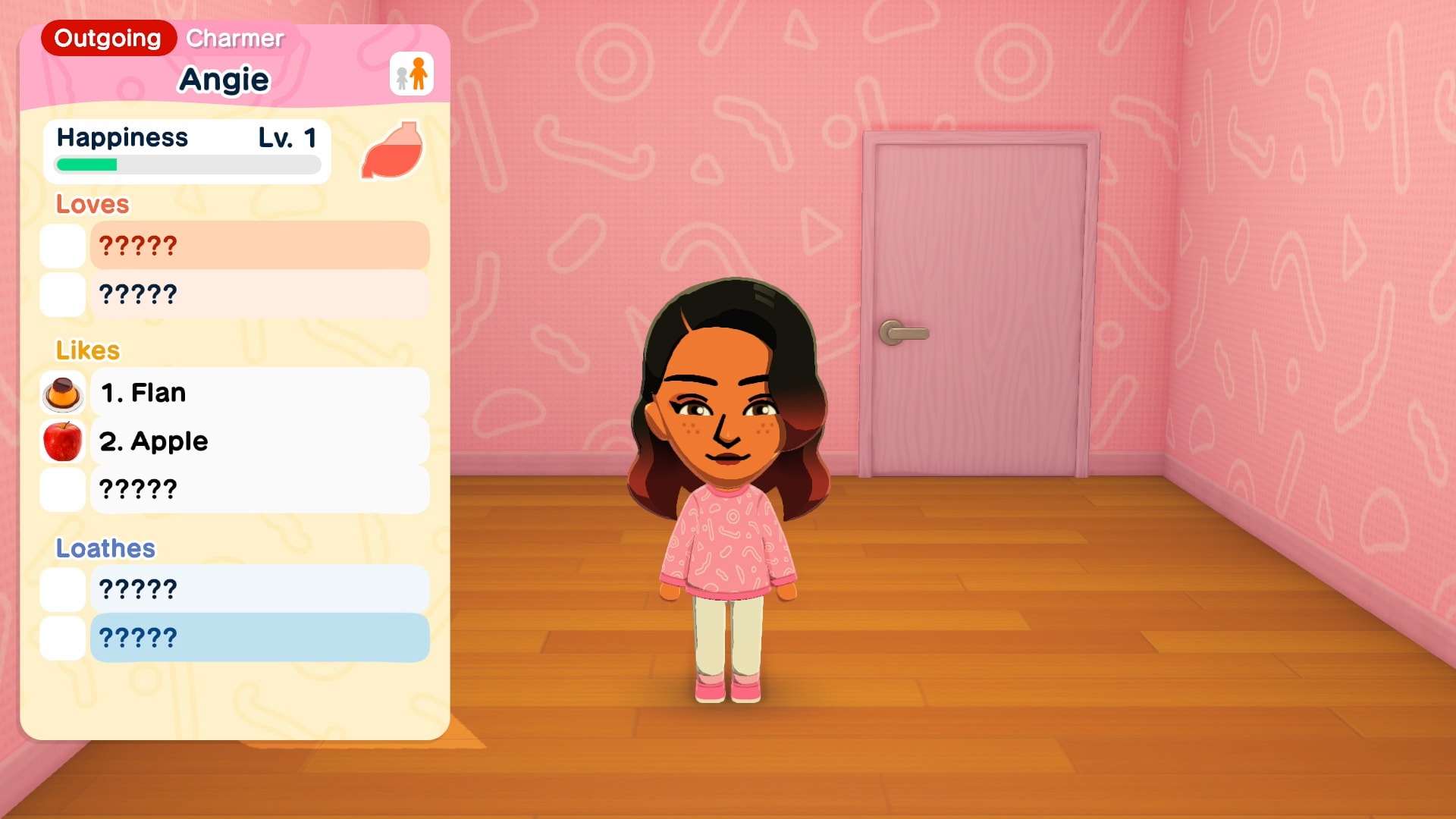
Add and introduce new Miis before trying to fix a friendship
The Similarweb question tab returned a strong current-window phrase about getting new Miis to make friendship. That wording points to a practical first step: a friendship cannot develop until the residents are actually on the island and have opportunities to meet. When a new Mii arrives, give the profile a clear role and place it near a group that can plausibly notice it.
Avoid importing a universal recipe from a different release. Record how the Mii was added, which language or region is in use, and what the game shows on screen. This protects the guide from turning an old 3DS memory into a Living the Dream instruction.
| What you see | Least disruptive next test | Record | Move to another guide when |
|---|---|---|---|
| A new Mii is present but isolated | Place the Mii near one compatible social role | Role, neighbors, first meeting | The question is about a QR code or import |
| Two Miis have never met | Use one shared activity or location | Date, place, activity, reaction | The question is about romance or marriage |
| A third resident interrupts | Test the pair in a smaller group | Who spoke and who left | You need a complete island layout |
| The release is unclear | Check platform and region first | Version, region, source | You need an official product fact |
Create repeatable friendship opportunities
A friendship grows easier to read when the pair has more than one chance to interact. Use the island’s visible spaces and activities to create a small loop: introduce the residents, observe a shared scene, let the island run, and check the next interaction. Repeat the same loop before adding a new variable. This gives you a useful comparison between a quiet pair and a pair that is starting to seek each other out.
Group design matters as much as the pair. One highly expressive resident can make a scene memorable, but three strong personalities may also create noise that hides the friendship you are testing. Use the personality chart as a planning aid for pace, speech, expression, and attitude; do not present it as Nintendo’s private compatibility formula.
Use a small social test group
Start with two residents and at most one observer. A smaller group lets you identify who initiated the conversation and whether the same pair appears again. Add more residents only after the first pattern is clear.
Give the meeting a reason
A shared hobby, calm room, food choice, or island role is a readable reason to meet. The reason is your planning hypothesis, not a guaranteed trigger. Write it down so the next test can confirm or reject it.
Keep the before state
Save the current names, roles, room, and recent scene in a short note. If the friendship becomes tense, you can return to the earlier arrangement instead of rebuilding the entire island from memory.
Use gifts and activities without overclaiming
Gifts and activities are useful ways to create an interaction, but they should not be described as guaranteed friendship-level controls. A gift may fit a resident’s interests, arrive at a helpful moment, or simply be followed by a memorable scene. Record the recipient, the visible response, and what happened next. When the same result repeats, you have a stronger observation; you still do not have a published formula.
The existing items guide is the right place for a collection question. Link back to it when a reader asks what an object is or where it appeared. Keep this page focused on the social decision: why you chose the activity, what the pair did, and how you decide the next small test.
| What you see | Least disruptive next test | Record | Move to another guide when |
|---|---|---|---|
| Gift | Recipient and visible response | One gift, one observation | The user asks for a catalog or seasonal item |
| Shared activity | Who joined and how the scene ended | Activity, date, participants | The user asks for a romance trigger |
| Conversation | Tone and follow-up request | Exact visible wording when useful | The user asks for a relationship stage |
| Room or group change | Whether the pair met again | One change and the next scene | The user asks for island layout planning |
Read positive, quiet, and tense friendship signals
A positive signal is a repeated pattern such as the same residents choosing to speak, request an activity together, or respond warmly. A quiet signal is simply a lack of a visible event during the window you watched. A tense signal includes arguments, avoidance, or a reaction that makes the next meeting harder. These categories help you choose a next test without pretending that the game exposes a complete friendship score.
Use the relationship-levels page when the game shows a stage or status label. That page explains how to read a label alongside recent evidence. This friendship guide stays one level earlier: it helps you create and evaluate ordinary opportunities before you decide whether the connection has changed stage.
Positive does not mean permanent
A warm conversation is encouraging, but a later quiet day can still happen. Keep the result as a dated observation and look for a second scene before making a broad claim.
Quiet does not mean broken
Check availability, nearby residents, and recent activities before rewriting personalities. A quiet period can be normal timing or a crowded social group.
Tense means slow the test down
After an argument, remove one source of noise, give the residents space, and test one calmer interaction. Avoid sending several gifts or changing the whole island at once.
Recover after a fight or a long quiet period
When a friendship stalls, use the least destructive explanation first. Confirm that both Miis are still available, check who else is in the group, and note the last visible scene. Then make one gentle change: a smaller meeting, a calmer activity, a different nearby resident, or a pause before the next test. The goal is to make the next observation readable.
Do not promise that a single item, date change, or personality slider will repair a friendship. If a guide asks for an installer, login, or unsupported hidden value, treat it as a source-quality problem. Use Nintendo’s public product context and your own visible observations as the boundary for safe advice.
Friendship, romance, and relationship levels are different searches
The Similarweb phrase-match result for friendship levels had a higher historical average volume but no current 28-day window volume, and its intent overlaps the existing relationship-levels page. That is why this page does not create a second chart. It explains the behavior before a stage label: how to get residents into the same social context, how to read a quiet response, and when to stop changing variables.
Use the romance guide for questions about falling in love, proposals, or marriage. Use the relationship-levels guide for status labels and stage interpretation. Use the personality guide for trait planning. Keeping these boundaries visible prevents four pages from competing for the same query.
Design a friendship-friendly island group
Friendship planning becomes easier when each resident has a clear social role. A quiet Mii can benefit from one patient neighbor; an expressive Mii may need a smaller group so conversations remain visible. The Mii ideas and island ideas pages can help you create roles and zones, while this page supplies the test order for a pair that is not yet connecting.
Do not use a friendship page to promise an ideal island ratio. Start with the residents you actually have, note the group’s current rhythm, and change one placement or activity at a time. A balanced island is a useful context for observation, not a hidden requirement.
A simple friendship log makes tests repeatable
Write one line per meaningful scene. Include the two residents, platform or region, date, place, activity, visible response, and the single change you made before the scene. This takes less than a minute and prevents the most common error: remembering a positive result but forgetting what else changed at the same time.
For example, write: ‘Living the Dream, US, May and Leo, plaza, shared activity, friendly response, no other changes.’ If the pair meets again, add a second line. If they argue, keep that line too. A mixed record is more useful than a list that keeps only the wins.
What this friendship guide can and cannot verify
This page can help you add residents, create understandable meeting opportunities, interpret visible signals, and recover carefully after a quiet or tense period. It can also show when a question belongs on an existing romance, relationship-levels, personality, Mii ideas, or items page.
It does not claim a complete friendship meter, an exact day-by-day timer, a guaranteed best gift, or identical rules across every platform and region. When Nintendo publishes a clearer rule, update the source note and keep player observations labeled as observations.
FAQ about increasing friendship in Tomodachi Life
How do I get new Miis to make friends in Tomodachi Life?
Add both residents, give them a believable shared place or activity, and observe more than one scene. Record the platform and region before treating the result as a current-release observation.
What is the best way to increase friendship in Tomodachi Life?
There is no publicly confirmed best gift or formula. Create repeatable opportunities, change one variable at a time, and keep a short log of visible conversations, activities, and reactions.
Do gifts automatically raise a friendship level?
No public Nintendo source used here confirms that a gift automatically raises a hidden friendship level. Record the recipient, visible response, and next scene instead of promising a guaranteed increase.
Are friendship levels the same as romance or relationship levels?
No. Friendship describes ordinary social connection, romance covers falling in love or marriage, and relationship levels describe stage or status signals. Use the matching guide for each intent.
What should I do when two Miis stop interacting?
Check availability and the surrounding group, preserve the last known state, and test one gentle change such as a smaller group or calmer activity. Avoid rewriting several personalities at once.
Does the personality chart guarantee friendship compatibility?
No. The chart is a fan planning model for comparing pace, speech, expression, and attitude. Use it to choose a testable pairing, then rely on visible scenes to evaluate what happened.
Sources and media note
Nintendo’s official product and launch pages provide the game context and the three real media assets used here. The workflow, tables, and boundaries are fan planning guidance. Similarweb global keyword data was checked on November 8, 2026; it is directional and does not prove local demand or an official friendship mechanic.