Song and humming observation guide
Tomodachi Life Songs: Humming, Music, and How to Track Residents
A practical Tomodachi Life songs guide for humming scenes, resident music, song-list searches, release boundaries, and evidence-aware tracking without copying lyrics.
Updated October 31, 2026
Searches for Tomodachi Life songs usually mix several questions: which songs residents can perform, why a Mii is humming, whether Living the Dream uses the same music as the older 3DS game, and where a player can find a full list. A song title, a humming scene, a performance prompt, and a lyric request are not interchangeable evidence.
This guide gives you a practical way to track what you actually observe while keeping the release boundary visible. Nintendo's official product page confirms the game's resident and island context, while public guide pages and community discussions can suggest names to investigate. Neither source is treated here as proof of a universal regional catalog, fixed probability, or complete lyric archive.
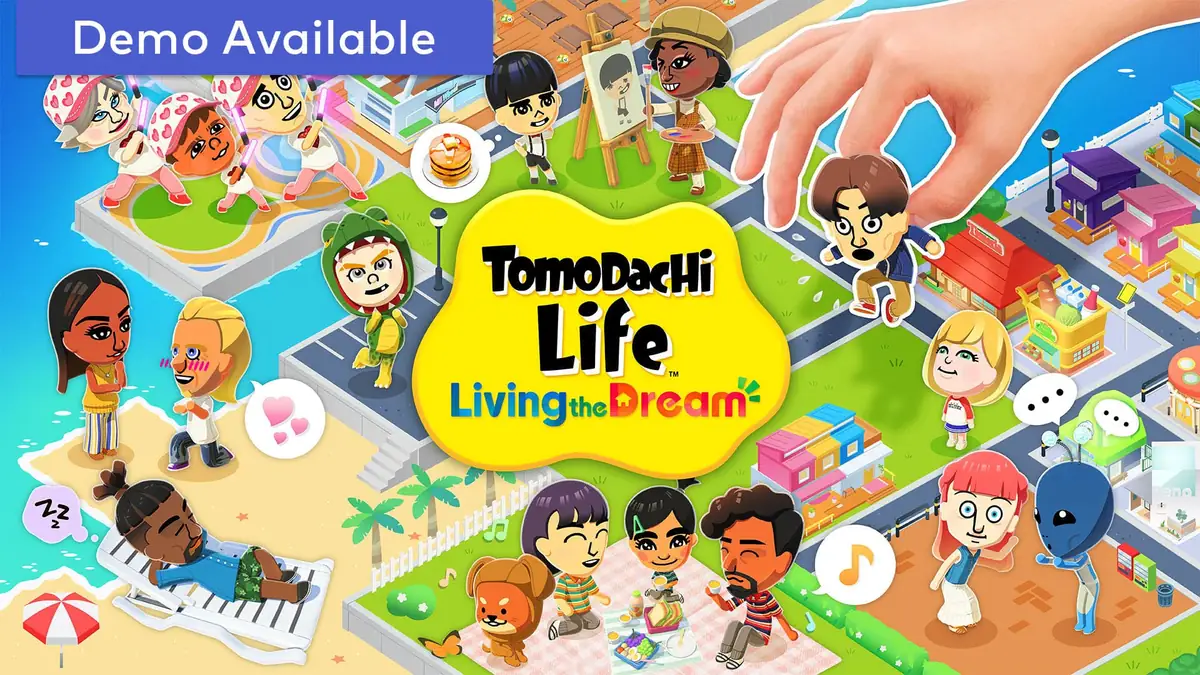
Quick answer: record the scene, not just the song name
When a Mii hums or a song appears, note the resident, location, activity, visible title, platform, region, and date. Use the result as an observed entry, then compare it with an official page or a clearly labeled community lead. Keep lyrics out of the article: song titles and scene notes answer the search without republishing copyrighted text.
What public sources confirm about Tomodachi Life music
Nintendo's product page presents an island where players create Miis, visit homes, use facilities, and watch residents interact. Its gallery includes residents, public spaces, and music-note artwork, which is useful context for a song guide. The page does not publish a complete track database, a universal humming schedule, or a promise that every region uses identical names.
Search results combine Living the Dream with the classic 3DS game. A community list can be a valuable lead, but it should be labeled as reported until the same title, scene, and platform are visible in your own release. This page separates confirmed product context, observed scenes, and player-reported clues.
All songs, humming songs, and lyrics are different intents
The phrase all Tomodachi Life songs can mean a catalog, a performance list, a set of Mii humming clips, or a request for lyrics. Start by deciding which job you need. A catalog needs names and version labels; a troubleshooting answer needs the resident and scene; a lyric request should be redirected to an official or licensed source rather than copied into a fan guide.
Similarweb phrase-match results showed strong current-window signals for tomodachi life living the dream humming songs and all tomodachi life living the dream songs, while tomodachi life songs lyrics was narrower. These are global directional metrics, not a promise of local demand or an official ranking.
| Search wording | What this guide can verify | Best next step |
|---|---|---|
| All songs / song list | Names and source context | Record visible titles; do not invent a total |
| Mii humming songs | Resident behavior and scene | Log who hummed, where, and what changed |
| Song lyrics | A copyright-sensitive request | Use title and scene notes; link to a licensed source |
| Living the Dream songs | Current-platform scope | Check the platform, region, and update date |
How to track songs in Tomodachi Life without guessing
A small observation log is more useful than a copied list with no version label. Use the same four fields for a single humming scene or for a larger song notebook. This makes it easy to revise one row when Nintendo publishes clearer wording or when another player supplies a source that can be checked.
The workflow below is fan research guidance. It does not claim that a particular action unlocks a song or forces a resident to sing.
1. Capture the visible trigger
Write down the place and activity first: home, plaza, facility, event, conversation, or another screen. If a title appears, copy only the title and the exact spelling shown by your game.
2. Identify the resident and release
Record the Mii, platform, region, language, and date. This prevents a classic 3DS entry from being presented as a Living the Dream rule.
3. Repeat one condition
Observe the same resident or activity again before calling it a pattern. Change one variable at a time and keep the previous state. A single performance is an observation, not a probability table.
4. Store the evidence
Keep a row with title, scene, resident, version, region, date, and source URL or screenshot note. Mark entries as observed, community-reported, or not verified.
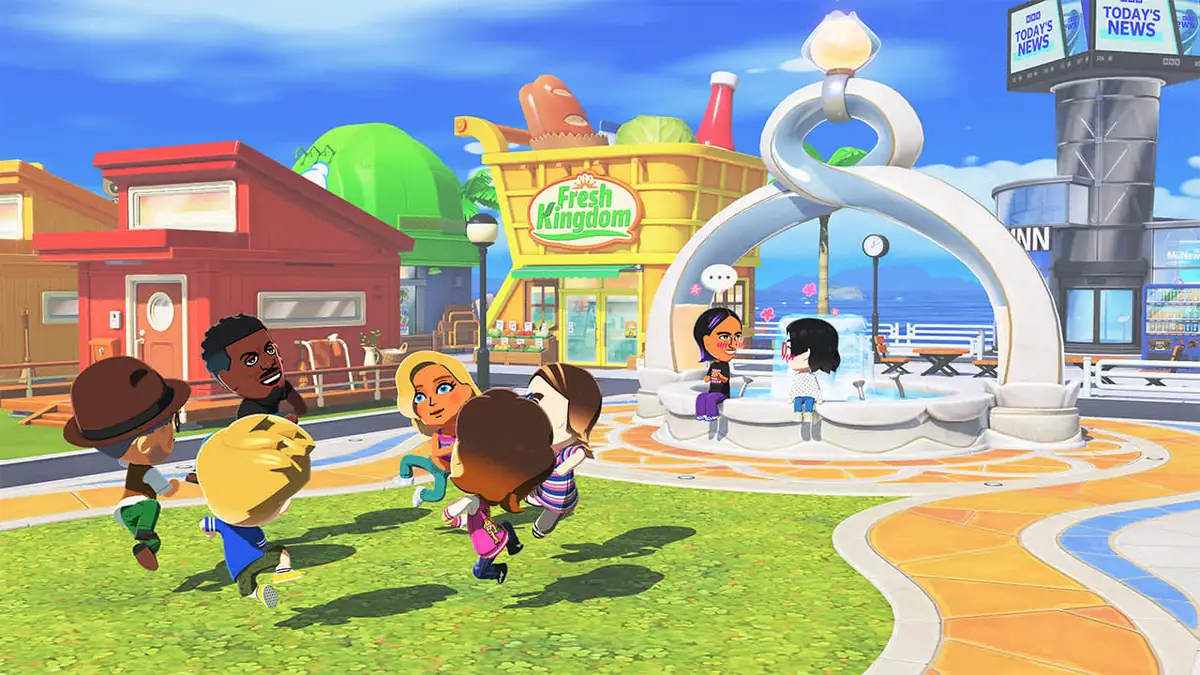
What Mii humming songs can mean
A humming search often describes a short resident animation rather than a formal music menu. Treat it as an audio-and-scene observation: who made the sound, what the Mii was doing, whether another resident reacted, and whether a title or instrument was visible. That detail helps answer why a Mii is humming without claiming a hidden formula.
If the sound is difficult to identify, describe the scene instead of guessing a lyric. A neutral note such as resident hummed near the fountain after a conversation remains useful even when the melody cannot be named.
Useful observation fields
Resident name, location, activity, visible animation, exact title if shown, language, platform, region, date, and whether the scene repeated.
Avoid false certainty
Do not say that a personality type, gift, friendship level, or clock time guarantees a song unless a current first-party source documents it.
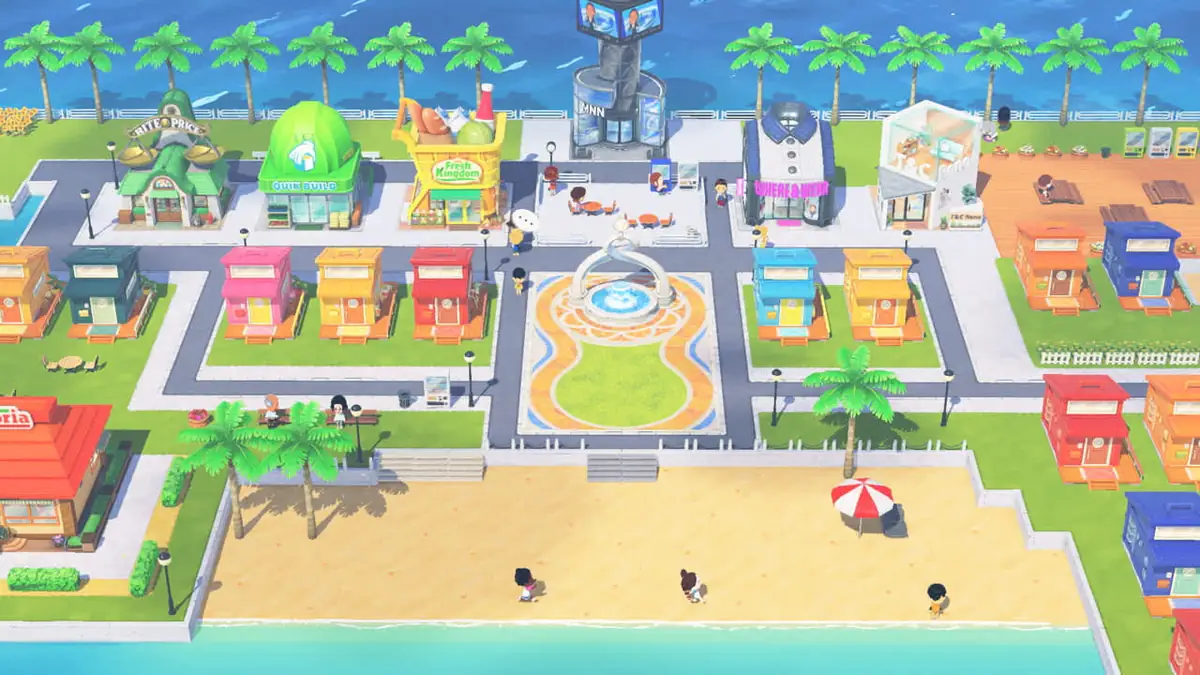
How to answer a song-list question without copying lyrics
A useful song guide can name a visible title, describe the scene, compare release labels, and link to the official product context. It does not need to reproduce a full lyric sheet. Song titles and short scene notes answer most gameplay questions without republishing creative text.
| Field | Example value | Evidence status |
|---|---|---|
| Visible title | The exact title shown in the current UI | Observed |
| Scene | Resident humming near a plaza facility | Observed |
| Release | Living the Dream on Switch, region recorded | Check in software |
| Community lead | A guide or forum thread with a URL | Reported until reproduced |
Living the Dream versus classic 3DS song memories
The most common source of confusion is an unlabelled list. Search results for Tomodachi Life songs can point to classic 3DS pages, new Living the Dream guides, soundtrack discussions, or unrelated lyric pages. Keep the platform in the title of your note, and do not merge two lists just because both use the Tomodachi Life name.
Nintendo's current product page is the right source for broad product context and current platform information. It is not a replacement for an in-game song list. When the public documentation does not settle a detail, say so and give the reader a reproducible check rather than a confident number.
How to use Game8, wikis, Reddit, and video leads
Community sources are helpful because they surface the exact words players use. Similarweb leading sites for song-related candidates include Reddit, 101soundboards, and Tomodachi-focused wikis, while Game8's guide hub exposes list categories such as music and videos. These sources show where questions are discussed; they do not automatically make every entry an official fact.
When you cite a community source, keep its source label, URL, date checked, and release scope. A screenshot or video can prove what appears on screen, but it cannot prove a universal unlock condition or a complete catalog unless the source documents that boundary.
The practical scope of this song guide
This page helps you interpret all-songs searches, investigate Mii humming, keep a release-aware song log, and decide when a community lead needs verification. It intentionally avoids a copied lyric archive, a fabricated total, and claims that personality, gifts, or time changes force a performance.
Use the site's personality, relationship, apartments, and items guides for their own questions. A song entry can link to those pages when the scene involves a resident, gift, or facility, but the song evidence should remain separate so each page answers one clear intent.
Tomodachi Life songs FAQ
Does Tomodachi Life: Living the Dream have songs?
Public Nintendo material confirms a resident-focused island game and shows music-note context, but it does not publish a complete song catalog. Record titles and scenes that you can see in your current release, then label community lists as leads until reproduced.
Why is my Mii humming a song?
Treat humming as an observed resident scene. Note the Mii, location, activity, visible title, platform, region, and whether the behavior repeats. The public sources checked for this guide do not document a universal personality, gift, or time trigger.
Is there an official list of all Tomodachi Life songs?
The Nintendo product page used here does not provide a complete list. Use it for broad product context and keep any wiki, forum, or guide list labeled with its release, region, date, and evidence status.
Can I publish Tomodachi Life song lyrics?
Use song titles and short scene descriptions instead of reproducing lyric text. For lyrics, direct readers to a licensed or official source when one exists.
Are the old 3DS song lists valid for Living the Dream?
They may be useful leads, but an unlabelled list is not proof. Record the platform and region, then check whether the title and scene appear in Living the Dream before treating it as current.
What should I record when a song appears?
Save the visible title, resident, scene, location, language, platform, region, date, and source URL or screenshot note. Mark the row observed, reported, or not verified.
Official source and image credit
Nintendo's official product page supplies the broad game, resident, island, and gallery context. The three WebP visuals on this page are compressed copies of Nintendo gallery media, not generated images or proof of a hidden song table. Similarweb's global keyword generator was checked on October 31, 2026; its country value is 999 and its volumes are directional rather than local guarantees.